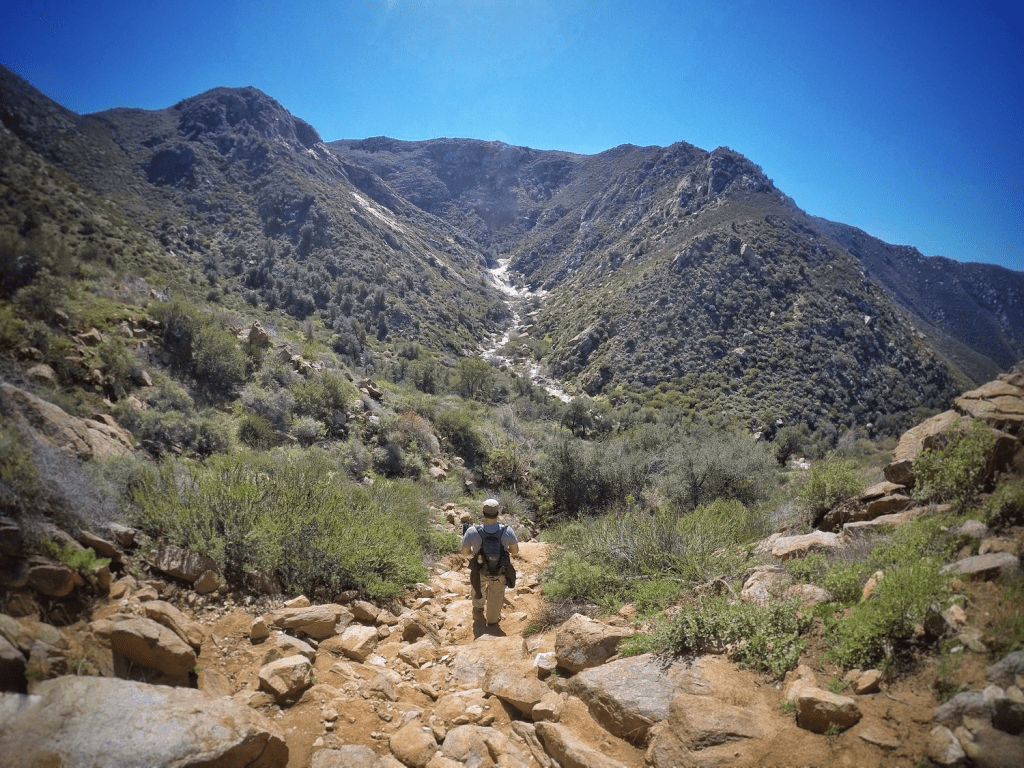
My upbringing in northern California in the Santa Cruz mountains, years spent among the Coconino Forest ponderosa pines, and treks around the red rock canyons of Sedona, appreciation for the outdoors feels like it is a part of my DNA.
San Diego is more than just beaches, nightlife, delicious cuisine, and a tourist destination. The scenery in select spots is forested with stunning vistas and biomes. Choice trails here also provide a showcase of Southern California landscape or the San Diego city skyline.
I would recommend that most hiking in San Diego should take place in winter, early spring or autumn since it can get hot and there is very limited shade on most trails.
Hiking in San Diego:
Mission Trails
Mission Trails Regional Park, just 8 miles from downtown San Diego, is one of the largest urban parks in the U.S., covering over 8,000 acres. It features 60+ miles of trails for hiking, biking, and horseback riding, including the popular Cowles Mountain, the highest point in San Diego at 1,592 feet. The park is home to the historic Old Mission Dam, which was built by Spanish friars in the mid 18th century, and the Visitor Center, which offers exhibits, a library, and educational programs.
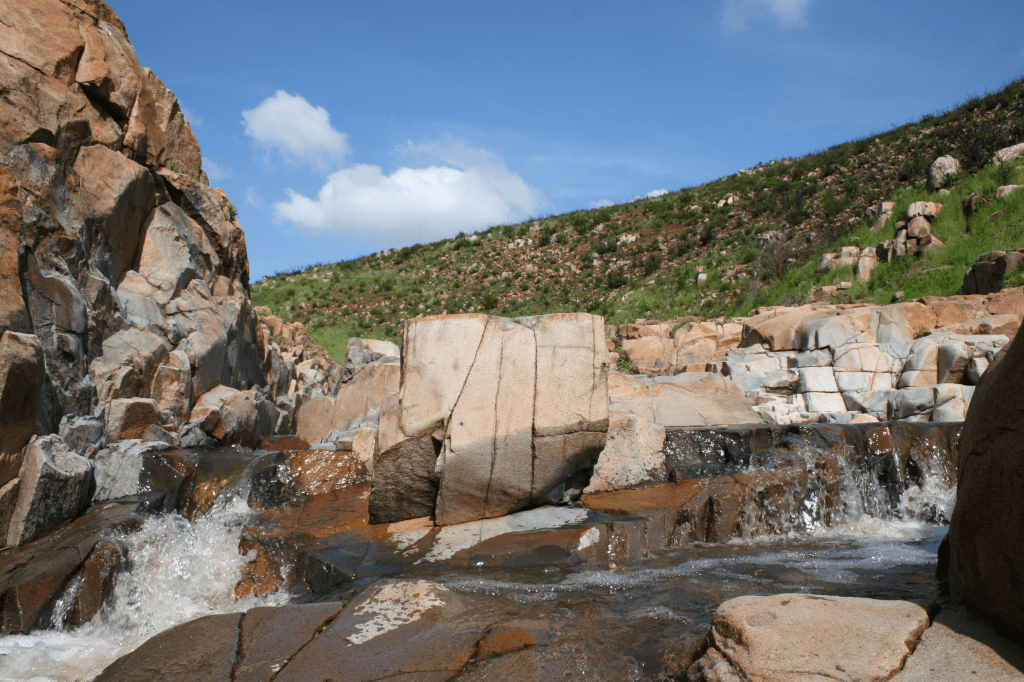
I particularly enjoy Oak Canyon during spring to see the waterfall.
5-peak Challenge
I am currently in the process of completing the 5-peak challenge. The 5-Peak Challenge in Mission Trails Regional Park invites hikers to conquer its five peaks: Cowles Mountain, Pyles Peak, Kwaay Paay, South Fortuna, and North Fortuna. Launched in 2015, the challenge encourages visitors to explore beyond Cowles Mountain and experience the park’s diverse landscapes.
Participants can complete the challenge at their own pace, summiting all five peaks over multiple visits or tackling them in a single, ambitious 16-mile trek. Each peak offers unique features, from Cowles Mountain’s panoramic views of nearly the whole county to the rugged “Stairway to Heaven” on South Fortuna. Once all peaks are conquered, hikers can earn a certificate and pin by submitting summit photos to the Visitor Center, which I fully plan to collect.
Preparation is key: bring water, snacks, sun protection, and a map, and start early to beat the heat. Whether you’re a seasoned hiker or seeking a new adventure, the 5-Peak Challenge is a rewarding way to explore Mission Trails’ natural beauty.
Cabrillo National Monument
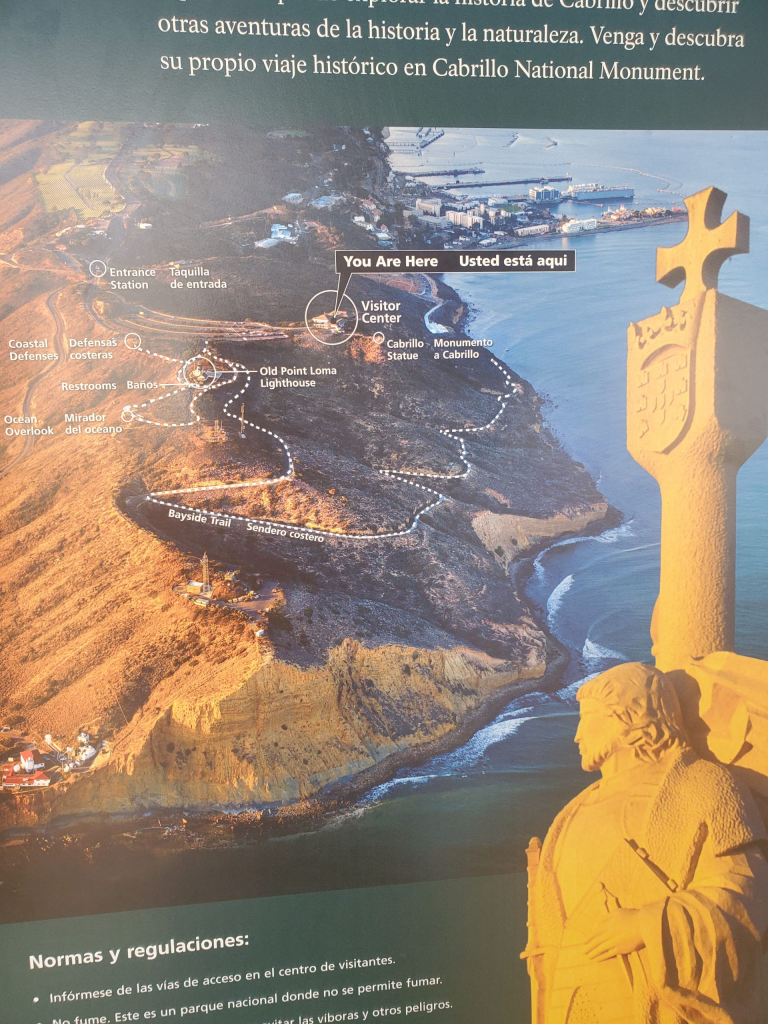
Located at the tip of Point Loma, Cabrillo National Monument commemorates Juan Rodríguez Cabrillo’s landing in 1542, the first European expedition to explore the West Coast of the United States. The monument features a striking statue of Cabrillo, a visitor center with exhibits on maritime history, and breathtaking views of San Diego Bay and the Pacific Ocean. The Old Point Loma Lighthouse, built in 1855, is another highlight, offering a glimpse into 19th-century maritime navigation.
The monument also offers hiking trails that showcase the area’s natural beauty. The Bayside Trail is a popular 2-mile roundtrip hike that winds through native vegetation with sweeping ocean views. Tidepooling at the base of the cliffs is a favorite activity during low tide, revealing a vibrant marine ecosystem. Seasonal whale watching adds another layer of excitement for visitors during the winter months. Depending on the whale, the season mid-December to April for gray whales, and mid-June to September for blue whales
Sunset Cliffs

Located just north of Cabrillo National Monument, Sunset Cliffs Natural Park is a stunning 68-acre coastal preserve known for its rugged cliffs, sea caves, and dramatic ocean views. The park is named for its breathtaking sunsets, which draw locals and visitors alike. Its coastal bluffs are a sanctuary for native plants and wildlife, making it a haven for nature lovers.
The park features walking paths along the cliffs, where visitors can explore hidden coves and enjoy views of crashing waves. Adventurous hikers and photographers can venture down to the beaches via steep trails, though caution is advised. Sunset Cliffs is also a popular surf spot, offering waves for experienced surfers. Whether for a tranquil stroll or an active day by the ocean, this park provides an unforgettable coastal experience. Great place for a lovely date!
Torrey Pines
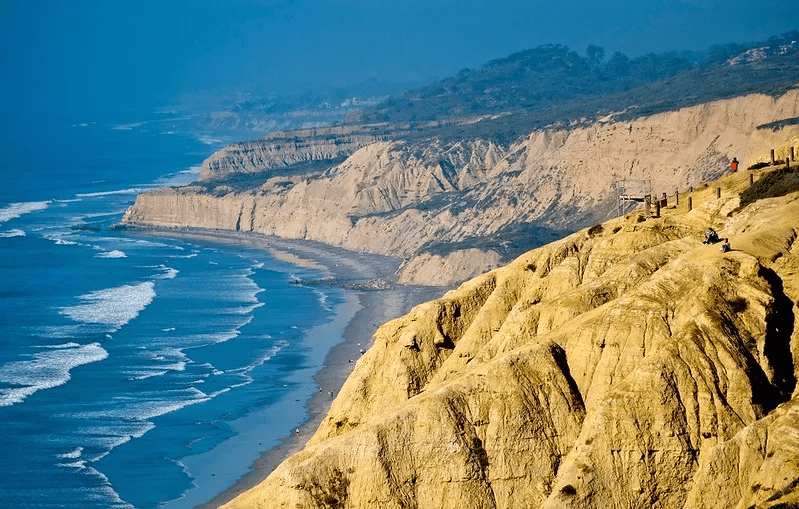
Torrey Pines State Natural Reserve is a hiker’s paradise, offering over eight miles of trails that wind through coastal bluffs, native chaparral, and scenic overlooks. Each trail highlights the reserve’s unique natural features, from the rare Torrey pine trees to dramatic sandstone formations. The easy, 0.7-mile Guy Fleming Trail is a favorite for its ocean views and seasonal wildflowers, while the Razor Point Trail leads hikers to dramatic cliffs and rugged landscapes.
For a more immersive experience, the 1.7-mile Broken Hill Trail provides stunning views of the reserve’s canyons and the Pacific Ocean. The Beach Trail offers a rewarding descent to the shoreline, where hikers can explore the beach and tide pools at low tide. Throughout the reserve, interpretive signs provide insights into the geology, plants, and wildlife, enhancing the hiking experience.
Torrey Pines State Beach
The connection between the trails and Torrey Pines State Beach makes hiking in the reserve especially rewarding. Trails like the Beach Trail and Broken Hill Trail end at the beach, allowing hikers to combine their treks with time on the sand. The towering cliffs provide a stunning backdrop as hikers walk along the water’s edge or rest after their descent. The option to explore tide pools and the natural beauty of the coastline makes Torrey Pines a uniquely versatile hiking destination.
 Timeless Teachings
Leave a comment