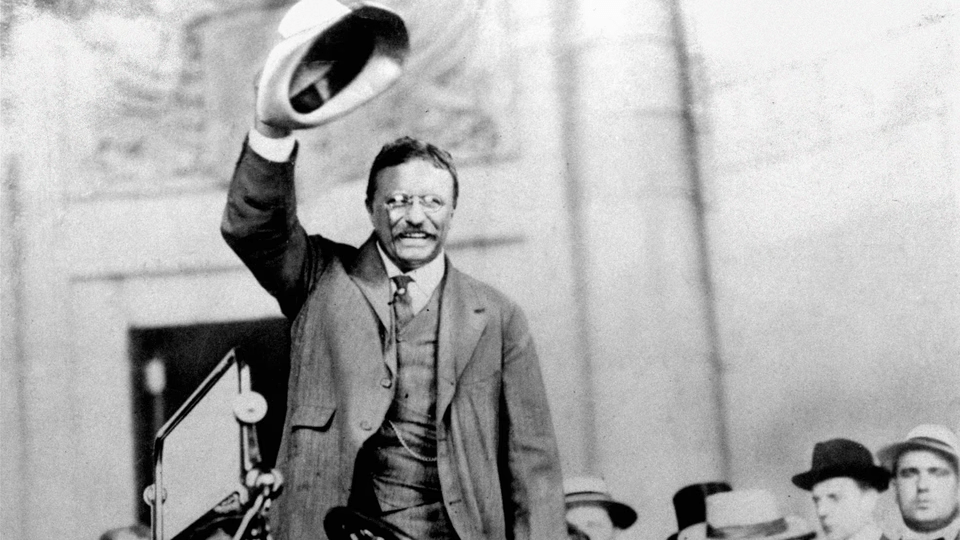
Early Life
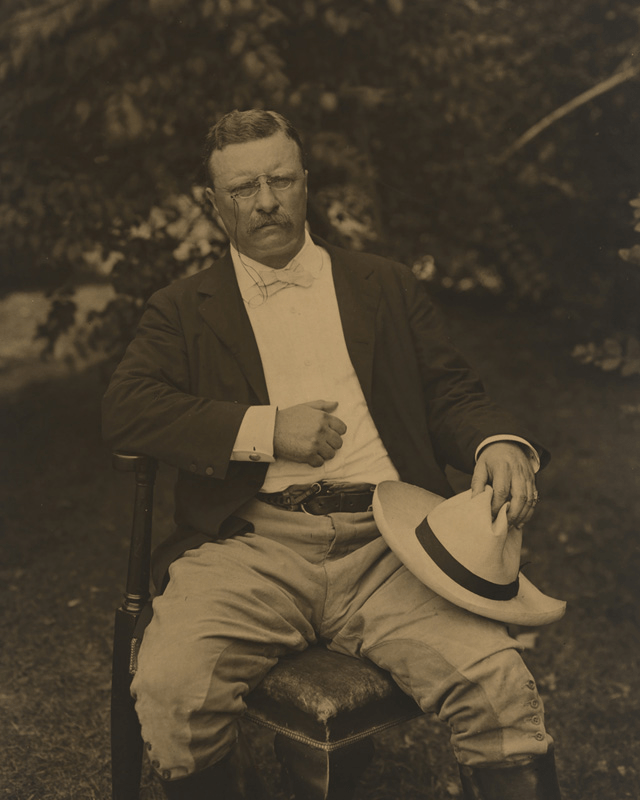
Teddy Roosevelt was born on October 27, 1858 and died on January 6, 1919.
Born into a wealthy family in New York City, his family had deep roots in the New World. The Roosevelt family migrated to New Amsterdam in the 17th century from the Netherlands, in fact, the name means “of the rose fields” in Dutch.
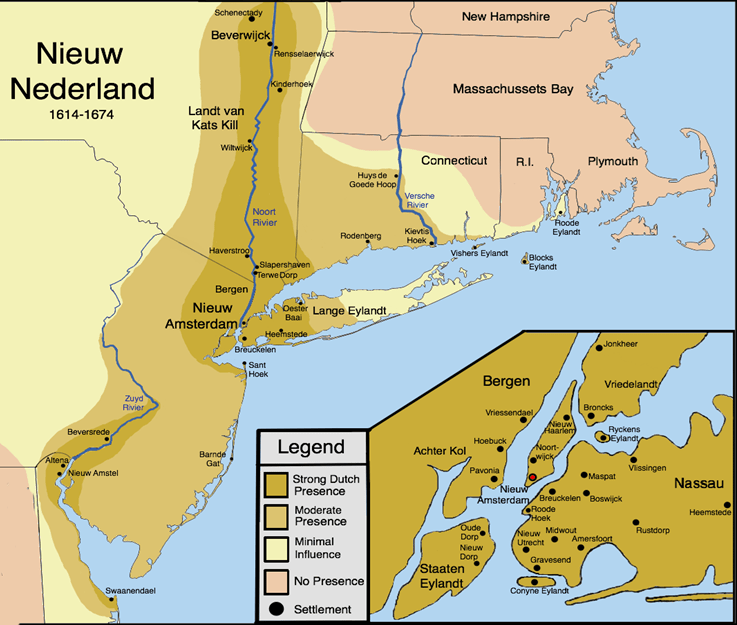
Teddy’s mother, Martha Roosevelt was from Georgia, and grew up on a plantation in the south before moving to the North with Teddy’s father. She had four children including Theodore Roosevelt Junior.
His father, Theodore Roosevelt Sr., was a successful entrepreneur and meaningful philanthropist who worked as an investment banker dealing with importing plate-glass at the firm, Roosevelt & Sons (founded by Teddy’s great-grandfather). Also, Theodore Sr. was involved in the founding of major organizations such as the New York Children’s Aid Society, the Metropolitan Museum of Art, and the American Museum of Natural History.
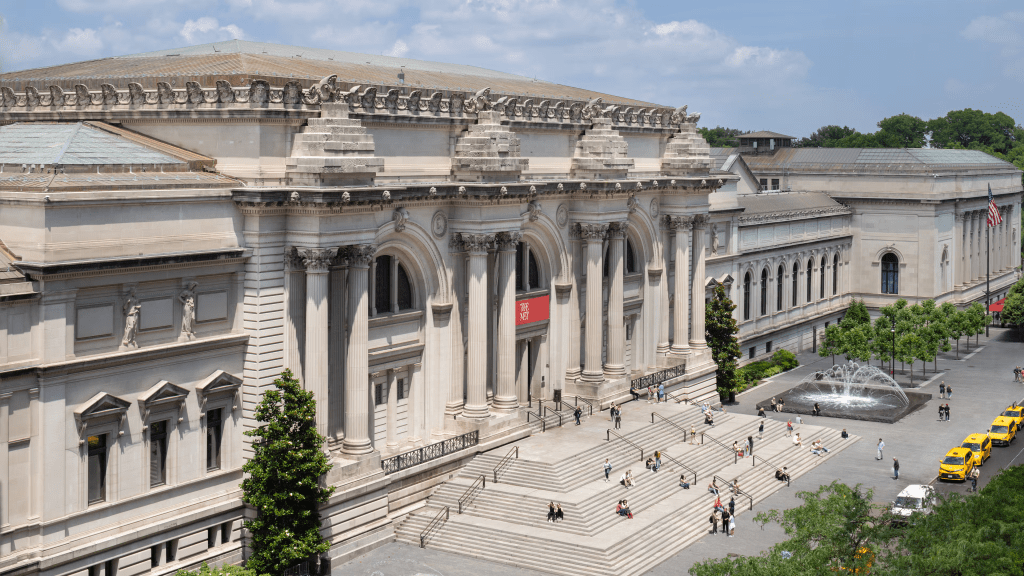
Teddy Roosevelt thought the world of his father, the ideals impressed upon him during his formative years certainly rang true to the values in which he describes his father.
My father, Theodore Roosevelt, was the best man I ever knew. He combined strength and courage with gentleness, tenderness, and great unselfishness. He would not tolerate in us children selfishness or cruelty, idleness, cowardice, or untruthfulness.
I was fortunate enough in having a father whom I have always been able to regard as an ideal man. It sounds a little like cant to say what I am going to say, but he did combine the strength and courage and will and energy of the strongest man with the tenderness, cleanness, and purity of a woman.
The above quotes were taken from Teddy Roosevelt’s autobiography as well as a letter preserved dated 1900.
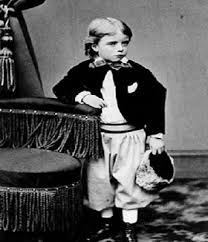
As a child, Teddy was a sickly. He suffered from asthma which left him bedridden at times, feeling weak, and made him a target for bullying. Teddy’s father instructed him to “make his body” in order to overcome his limitations. Roosevelt embarked on a personal regimen to build his strength and resilience. Encouraged by his father, he embraced what he called “the strenuous life,” engaging in activities like hiking, boxing, and horseback riding. This commitment to physical fitness not only improved his health but also instilled in him a lifelong passion for the outdoors and adventure. Additionally, his early fascination with natural history led him to become an avid reader and amateur taxidermist, laying the foundation for his later conservation efforts.
As a young boy, Roosevelt was tutored at home by private teachers. He traveled widely through Europe and the Middle East with his family during the late 1860s and early 1870s, once living with a host family in Germany for five months.
In 1876, he entered Harvard College, where he studied a variety of subjects, including German, natural history, zoology, forensics, and composition. He also continued his physical endeavors, taking on boxing and wrestling as new pursuits. – Sydney Milkis
Early Adulthood
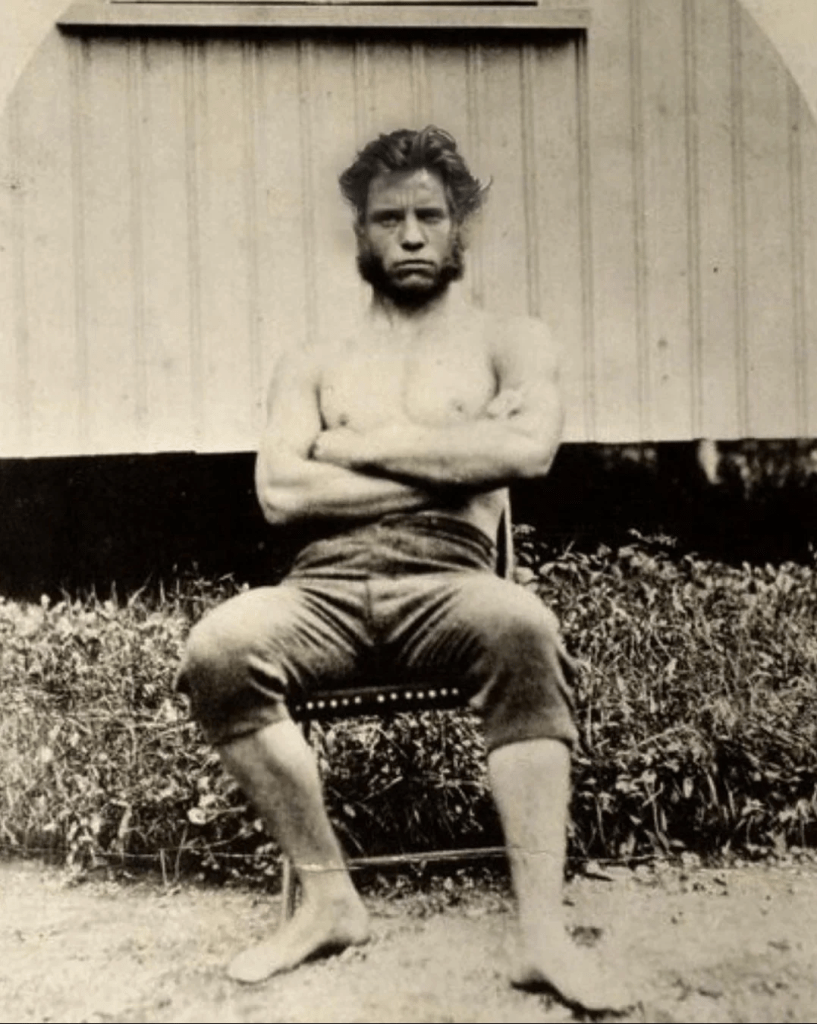
In his young adulthood, Theodore Roosevelt embarked on a diverse and dynamic career that laid the foundation for his future leadership. He graduated from Harvard University in 1880, and went on to attend Columbia University; however, he dropped out to seek a career in public service.
At 23, he was elected to the New York State Assembly, where he quickly gained a reputation as a reform-minded and outspoken legislator, championing causes such as civil service reform and the regulation of corporate monopolies. He served two terms from 1882 to 1884. Unfortunately, things would soon turn dark for Theodore.
In 1884, both Teddy’s wife, Alice, would die giving birth to his daughter. Then a few hours later, his mother passed away from Typhoid, both in the same home.
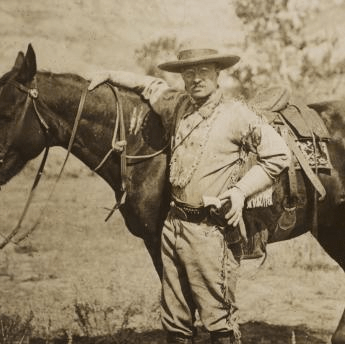
For the next few months, a devastated Roosevelt threw himself into political work to escape his grief. Finally, he left his daughter in the care of his sister and fled to the Dakota Badlands. Once out West, Roosevelt soaked in the frontier lifestyle. He bought two ranches and a thousand head of cattle. He flourished in the hardships of the western frontier, riding for days, hunting grizzly bears, herding cows as a rancher, and chasing outlaws as a frontier sheriff. Roosevelt headed back East in 1886; a devastating winter the following year wiped out most of his cattle. Although he would frequent the Dakota Badlands in subsequent years to hunt, he was ready leave the West and return to his former life.
Prior to the presidency
Roosevelt picked up where he left off, he served in many appointed bureaucratic roles, and acted as a campaign manager too. Those who worked with him said he would often be at odds with the old Republican party establishment due to his progressive values in contrast to their willingness to favor patronage.
He served under Grover Cleveland and William McKinley. More specifically and of greater relevance, he served as the Assistant Secretary of the Navy in 1897. Roosevelt played a critical role in preparing the US for the Spanish American War after the USS Maine exploded in Havana Harbor in 1898. Commodore George Dewey and Teddy developed the strategy which led to a US decisive victory at Manila Bay in 1898.
Teddy’s involvement and experience in the Spanish American War is especially connected to his enlistment with the 1st Volunteer US Cavalry Regiment, known as the Rough Riders.
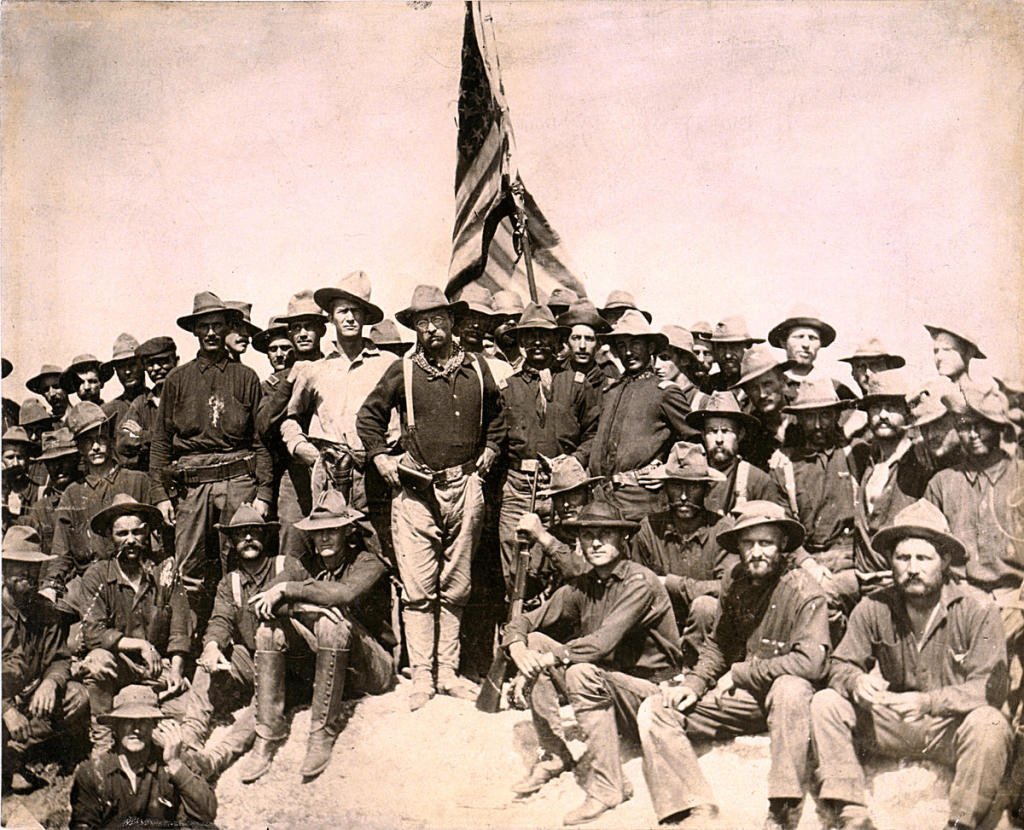
These volunteers hailed from western states and territories, due to a tolerance to heat that they would experience in Cuba, made up of African Americans, Natives, and Whites alike. Their varied backgrounds and courageous feats performed doing their duties drew the Rough Riders considerable attention back home. Teddy Roosevelt reveled in the time spent with the brigade.
“I would rather have led that charge and earned my colonelcy than served three terms in the United States Senate. It makes me feel as though I could now leave something to my children which will serve as an apology for my having existed.” – Theodore Roosevelt’s Autobiography
When Teddy returned from the war, he and the Rough Riders were welcomed back as heroes, this provided him a springboard to the New York governorship in 1898. Teddy was young and he was a disruptor to state politics during the Gilded Age; therefore, the New York Republicans petitioned William Mckinley to take on Teddy as his vice presidential running mate. They won by a landslide in the presidential election of 1900.
First Term
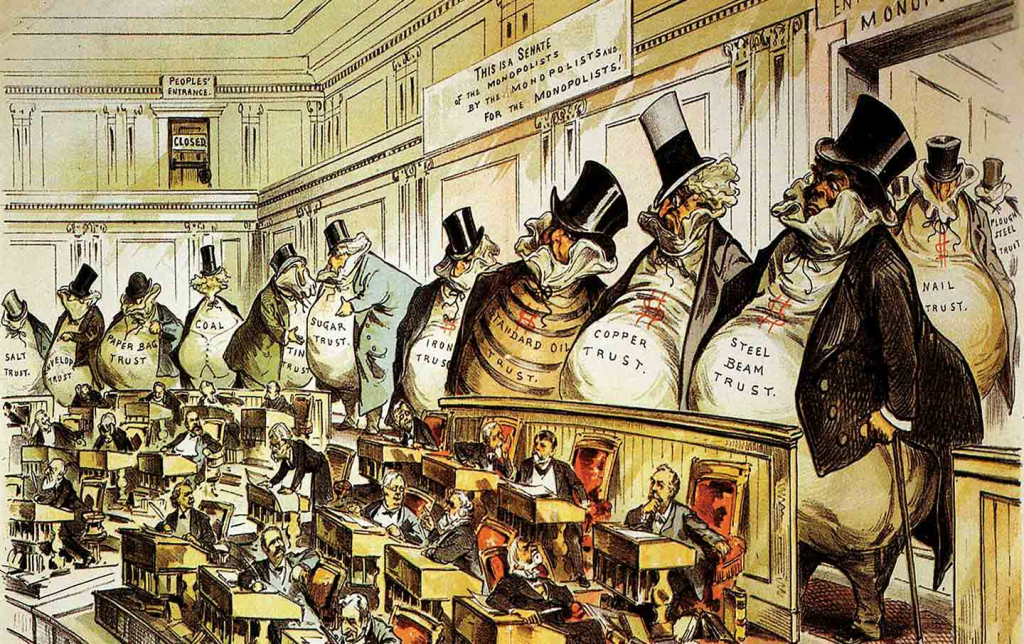
Theodore Roosevelt assumed the presidency in September 1901 following the assassination of President William McKinley. At 42, he became the youngest U.S. president, bringing vigor and a progressive vision to the office. During his first term, Roosevelt focused on domestic policies that promoted fairness and equity, encapsulated in his “Square Deal” philosophy. This approach aimed to protect the interests of the average citizen against big business and ensure a level playing field in the American economy.
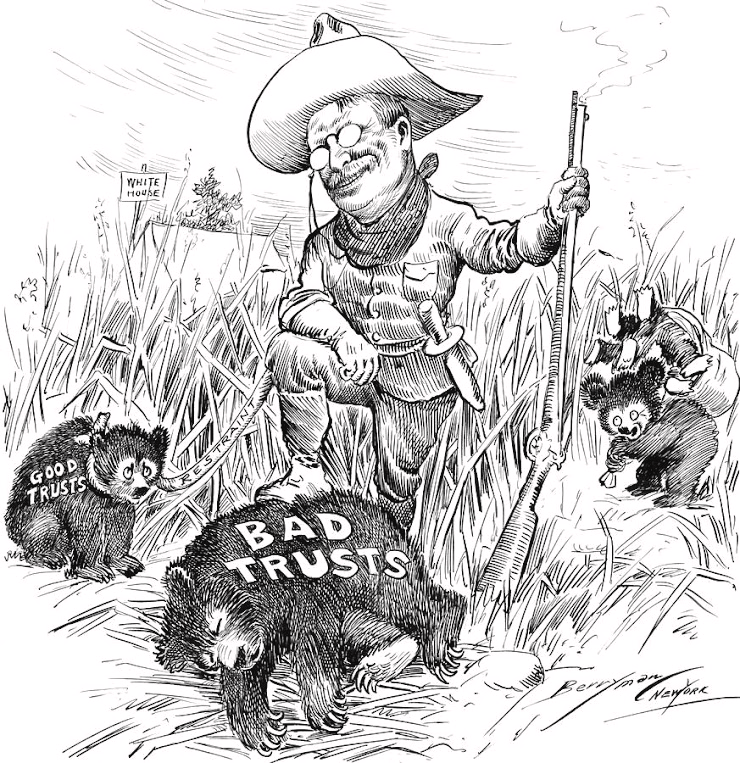
The Square Deal centered on three primary principles, often referred to as the “Three Cs”:
- Conservation of Natural Resources: Roosevelt championed the preservation of the nation’s natural landscapes, leading to the establishment of national parks, forests, and wildlife refuges.
- Control of Corporations: He sought to regulate large corporations to prevent monopolistic practices, exemplified by his actions against major trusts to ensure fair competition.
- Consumer Protection: Roosevelt advocated for the rights of consumers, leading to legislation that ensured the safety and quality of food and medicines.
Through these initiatives, Roosevelt’s Square Deal sought to balance the interests of business and the public, laying the groundwork for future progressive reforms in the United States.
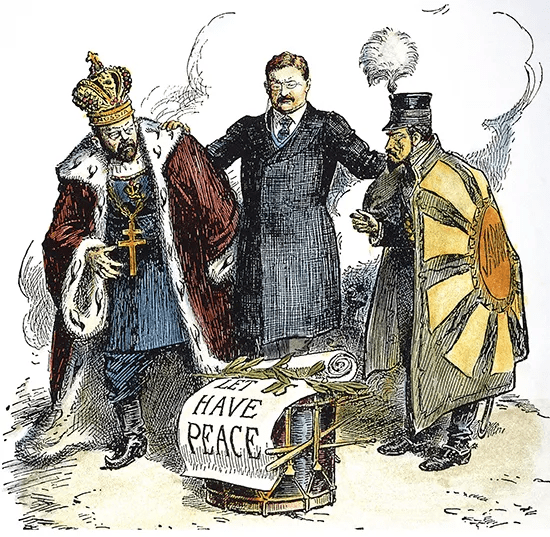
In addition to his domestic policies, President Theodore Roosevelt’s first term was marked by significant foreign policy achievements. He played a pivotal role in ending the Russo-Japanese War, mediating peace negotiations that led to the Treaty of Portsmouth in 1905, for which he was awarded the Nobel Peace Prize. Roosevelt also took decisive steps in the construction of the Panama Canal, facilitating a revolution in Panama to secure the necessary territory, thereby enhancing global maritime trade routes. His assertive foreign policy approach, encapsulated in the West African phrase,
“speak softly and carry a big stick, and you will go far.”
positioned the United States as an emerging global power, and was applied to US military and diplomatic strength in enforcing the Monroe Doctrine and beyond.
Second Term
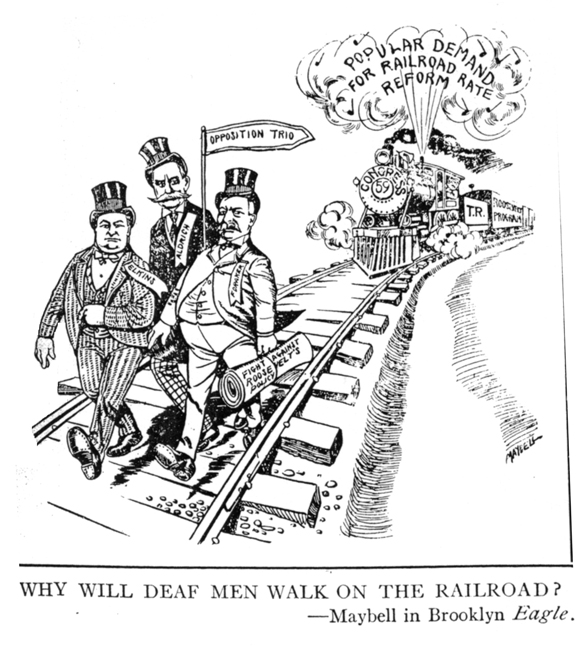
During his second term (1905–1909), President Theodore Roosevelt intensified his commitment to progressive reforms, focusing on regulating large corporations and protecting consumer interests. A landmark achievement was the Hepburn Act of 1906, which strengthened the Interstate Commerce Commission‘s authority to set maximum railroad rates, effectively curbing the monopolistic practices of the rail industry. This legislation marked a significant step in federal regulation of interstate commerce, reflecting Roosevelt’s dedication to ensuring fair business practices.
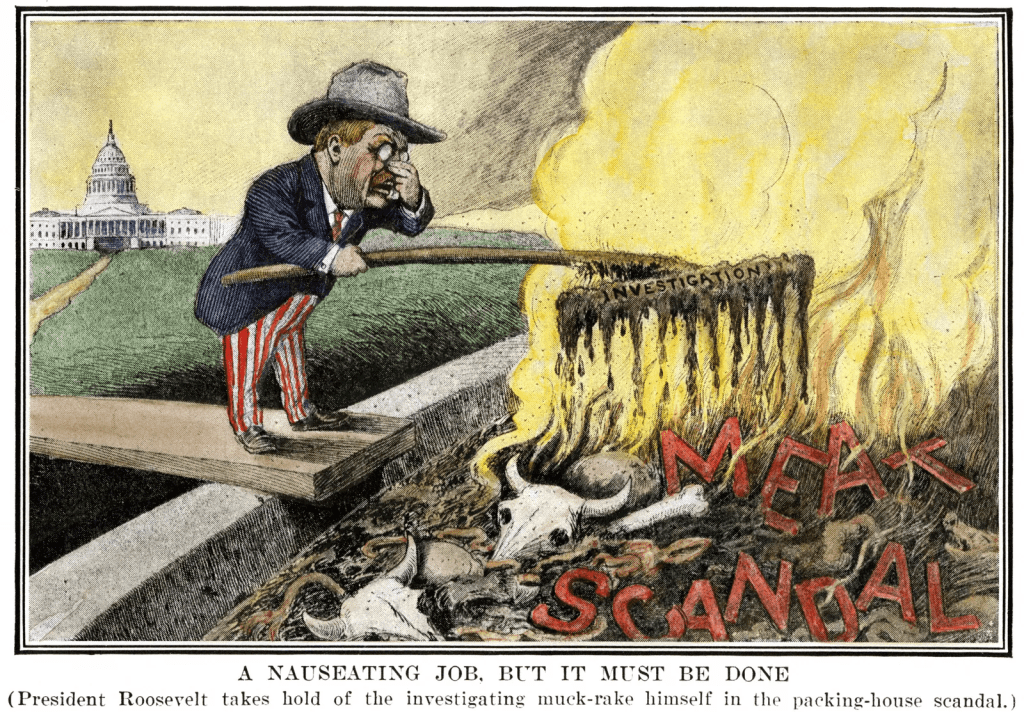
Additionally, in response to public outcry over unsanitary conditions in the food industry, Roosevelt championed the Pure Food and Drug Act and the Meat Inspection Act, both enacted in 1906. These laws established federal standards for food and drug safety, aiming to protect consumers from adulterated or mislabeled products.
Roosevelt’s second term was also distinguished by his vigorous conservation efforts. He established the United States Forest Service and, through the Antiquities Act of 1906, proclaimed 18 new national monuments, including the Grand Canyon. Roosevelt’s administration created five national parks and 150 national forests, placing approximately 230 million acres under public protection.
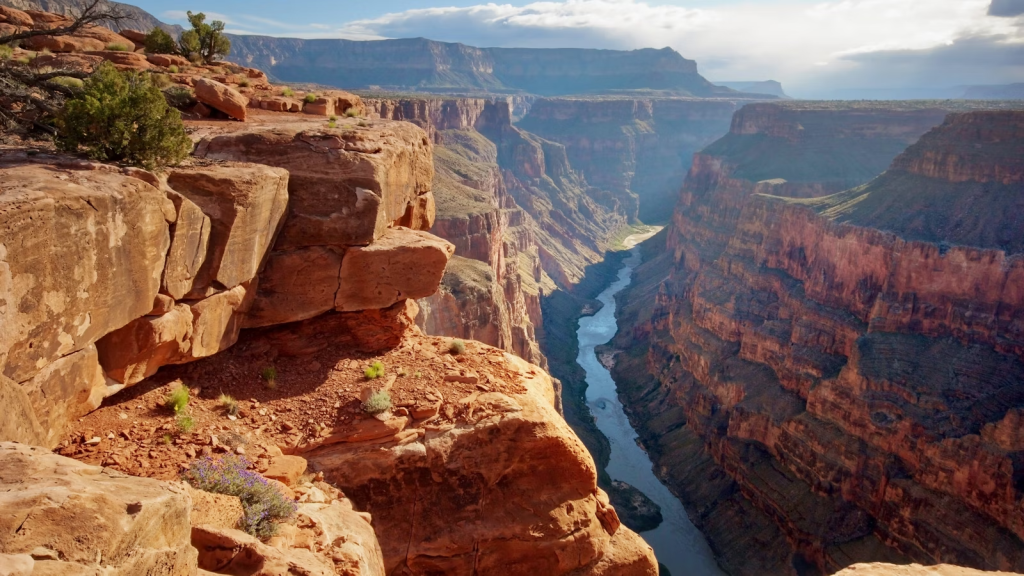
His proactive use of executive orders to safeguard natural resources laid the foundation for the modern conservation movement, underscoring his belief in the federal government’s role in preserving the nation’s environmental heritage.
Impact on Indigenous Society
During Roosevelt’s administration, the implementation of the Dawes Act of 1887 persisted, which sought to transform communal tribal lands into individual allotments for Native American families. This policy aimed to promote individual land ownership and farming practices among Native Americans, aligning with Euro-American cultural norms. However, it often resulted in the loss of tribal lands and the erosion of Indigenous cultures.
Additionally, Roosevelt’s era saw the continuation of policies that supported the operation of boarding schools designed to assimilate Native American children. These institutions aimed to suppress Indigenous languages and cultural practices, promoting Euro-American values and lifestyles instead. The legacy of these assimilation efforts has had lasting impacts on Native American communities, contributing to cultural disintegration and intergenerational trauma.
Overall, Roosevelt’s policies toward Native Americans reflected the prevailing assimilationist attitudes of the time, emphasizing the integration of Indigenous peoples into mainstream American society, often at the expense of their cultural identities and traditional ways of life. Looking at this through the lens of hindsight and modern concepts of humanity, many of these policy’s impacts resulted in the rape, murder, mass burial, and trauma of thousands of indigenous children and adults alike.
Legacy and Impact to Today
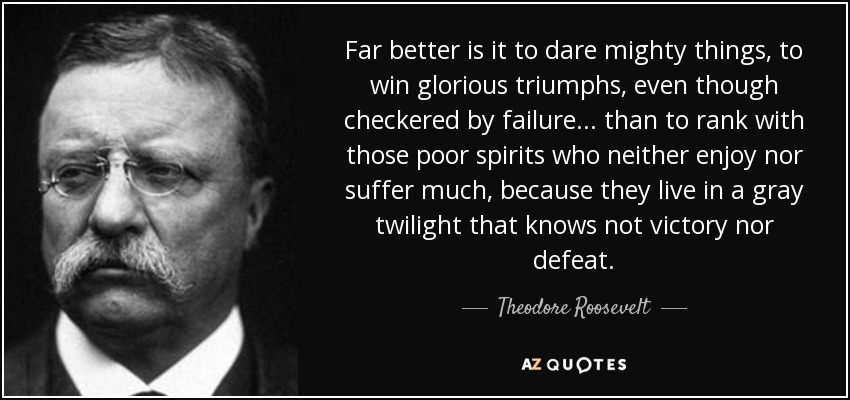
Theodore Roosevelt’s presidency (1901–1909) is often hailed as the advent of the modern American presidency, characterized by a robust federal government actively engaged in economic regulation and social justice. His “Square Deal” policies sought to ensure fairness for workers, consumers, and businesses, addressing issues like corporate monopolies and environmental conservation. Roosevelt’s administration set precedents in antitrust litigation, consumer protection, and the establishment of national parks and forests, reflecting a commitment to both economic equity and environmental stewardship.
In contrast, the Trump administration‘s approach to environmental policy and economic regulation marked a significant departure from Roosevelt’s legacy. Under President Trump, there is a concerted effort to expand fossil fuel extraction on federal lands as well as render useless the EPA, NOAA and the FDA, often at the expense of conservation efforts and quality control. This shift raised concerns among environmentalists about the potential rollback of protections for public lands, lack of accurate data regarding conservation, and the prioritization of industrial interests over ecological preservation.
Furthermore, while Roosevelt’s policies aimed to mitigate wealth inequality through regulatory reforms, the Trump administration’s economic policies, including tax cuts favoring the wealthy and deregulation of consumer protection agencies, have been criticized for exacerbating income disparity. This divergence underscores a broader ideological shift from Roosevelt’s progressive vision of a balanced relationship between government intervention and market forces to a contemporary emphasis on deregulation and limited government oversight, reminiscent of the Gilded Age on a global stage.
The contrasting approaches to governance between Roosevelt and Trump highlight the evolving dynamics of American political ideology, particularly concerning environmental conservation and economic equity. Roosevelt’s legacy as a trust-buster and conservationist stands in stark contrast to policies that prioritize disjointed and ideological economic and social policy over long-term sustainability and social justice.
Rest in Peace to one of the most important U.S. Presidents in our nation’s history, Teddy Roosevelt!
 Timeless Teachings
Leave a comment