
Introduction
When we think of the Nordic nations—Sweden, Norway, Denmark, Finland, and Iceland—we often imagine fjords, saunas, or sleek modern design. But for entrepreneurs and investors, these countries also represent some of the most resilient, equitable, and forward-thinking business environments in the world. This success has not come in spite of progressive politics but, as we’ll see, because of them.
The Scandinavian culture practices the Law of Jante, a social code that discourages individual success and standing out from the group. It emphasizes modesty, humility, and conformity, often summarized as: “You are not to think you’re anyone special.” It was coined by the Danish author, Aksel Sandemose in 1993, in his novel about a fictional and satirically cliche Scandinavian town.
Here are the 10 core rules:
- Don’t think you’re anything special.
- Don’t think you’re as good as we are.
- Don’t think you’re smarter than we are.
- Don’t convince yourself you’re better than we are.
- Don’t think you know more than we do.
- Don’t think you are more important than we are.
- Don’t think you are good at anything.
- Don’t laugh at us.
- Don’t think anyone cares about you.
- Don’t think you can teach us anything.
This is important because while an exaggeration, it can help explain the strong communal and egalitarian values held by the Scandinavian countries.
Notable Cities Driving Growth and Innovation
Several Nordic cities have earned international recognition for being hubs of innovation, quality of life, and economic stability. Stockholm, for instance, is sometimes called the “Silicon Valley of Europe” due to its booming tech scene. It has produced over 40 unicorn startups (companies valued at over $1 billion), including Spotify, Northvolt and Klarna, while also including titans like IKEA and Volvo. Gothenburg, Sweden’s second-largest city, is also making waves in green tech and sustainable industry.
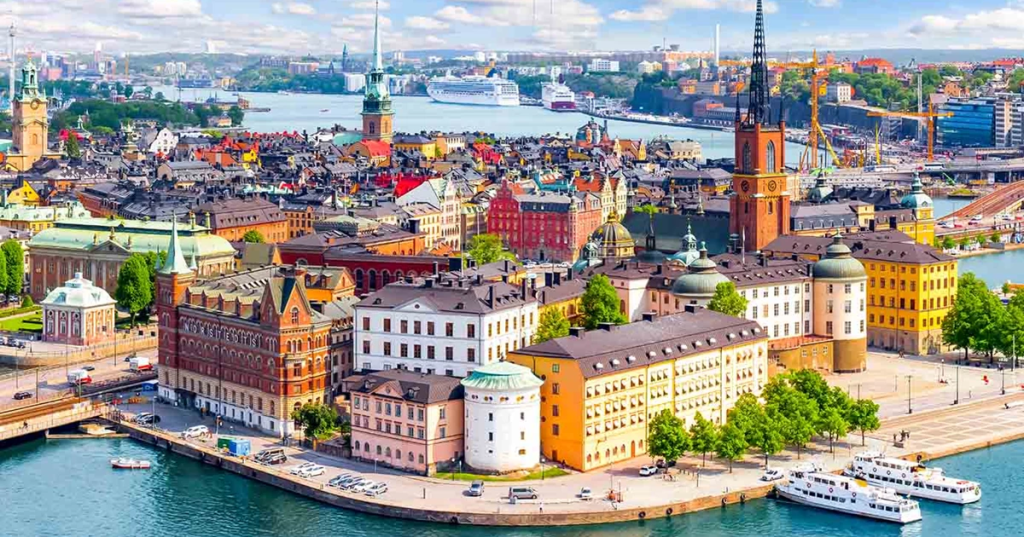
In Copenhagen, Denmark’s capital, smart city planning and biotech innovation have created an ecosystem ideal for startups and multinational corporations alike. Helsinki, Finland, known for its world-class education system, leverages a highly skilled workforce in AI and digital innovation. And while Oslo thrives on a blend of oil wealth and sustainability ventures, Reykjavik is punching above its weight with growth in tourism tech, fintech, and creative industries.
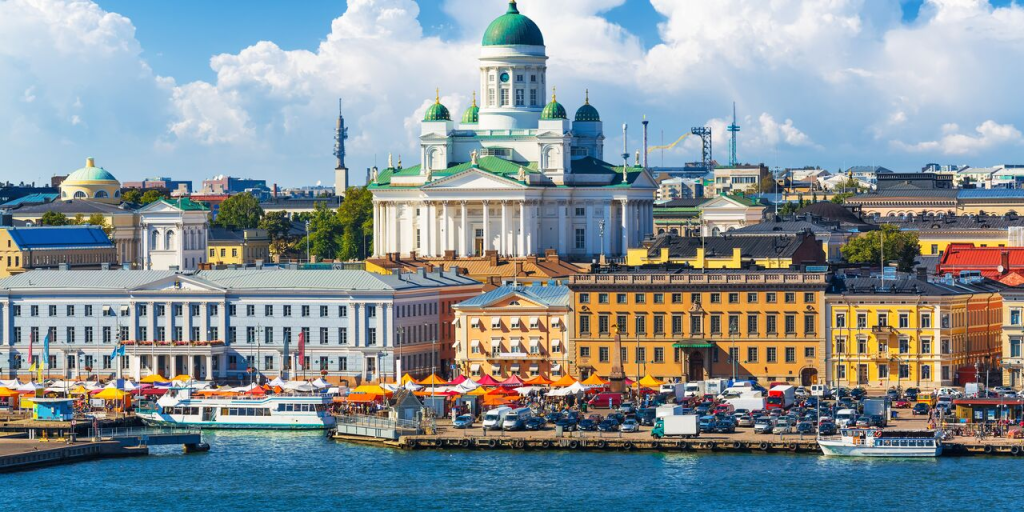
These cities exemplify the Nordic model: efficient governance, sustainable urban development, and an openness to global talent and ideas.
Tax Policy: High but Helpful
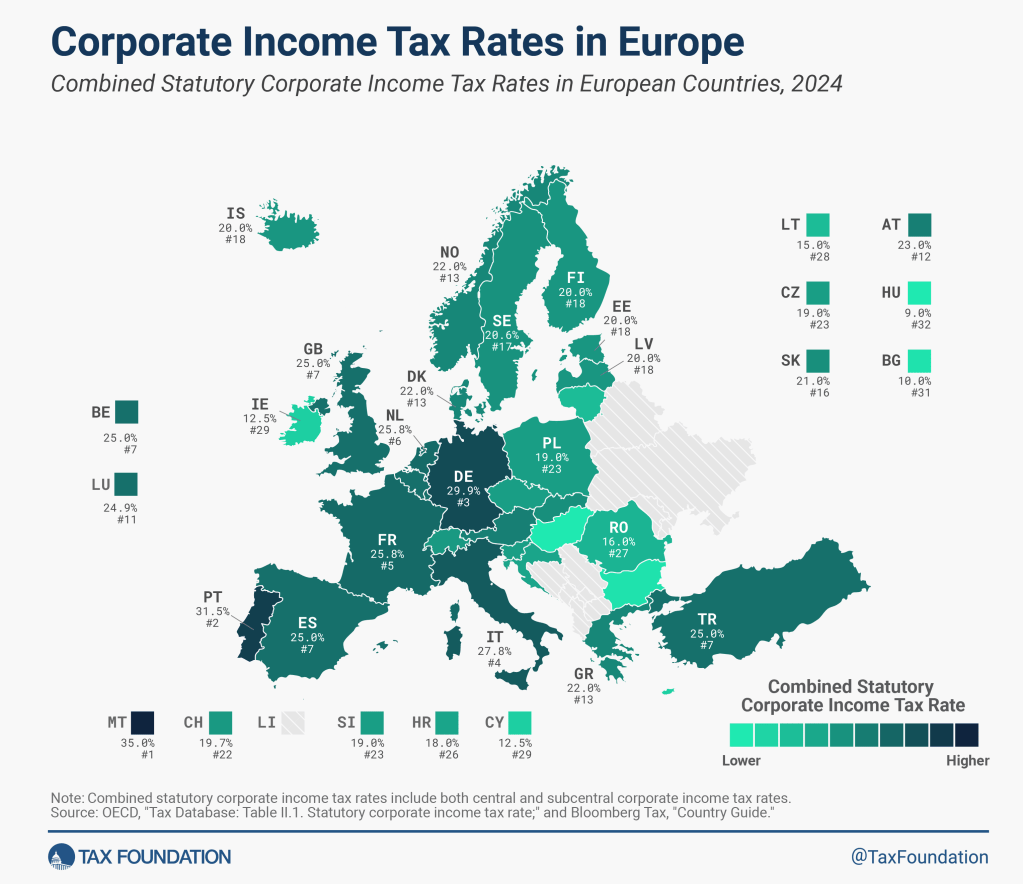
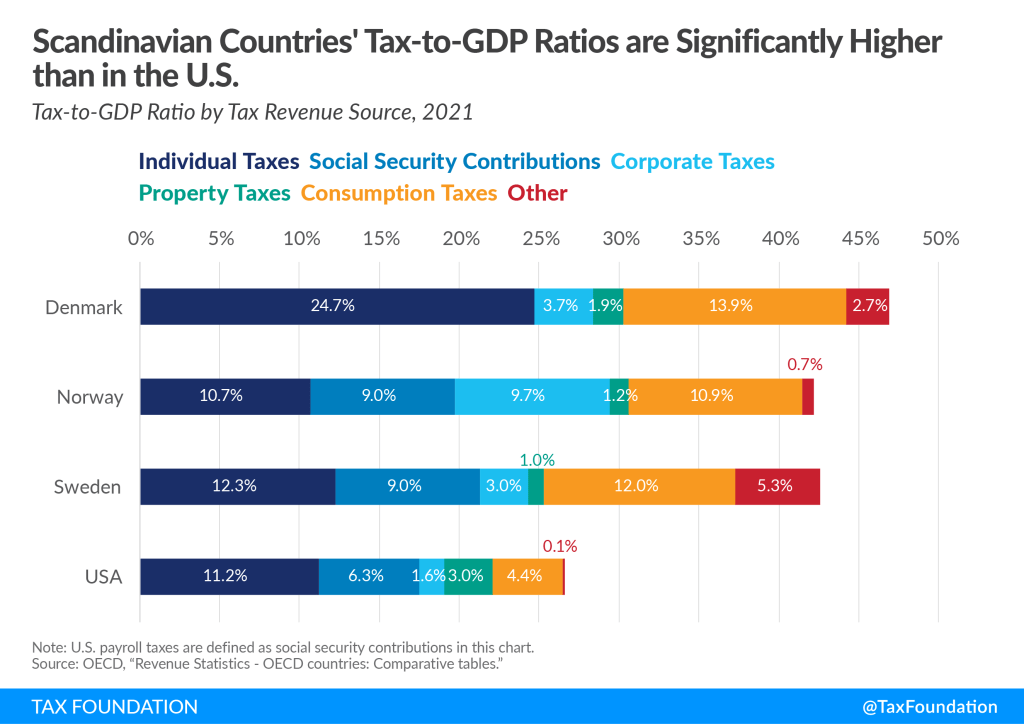
Critics often point to the Nordic region’s high tax rates as a supposed deterrent to doing business. But the reality is more nuanced. Corporate tax rates in countries like Sweden (20.6%) and Finland (20%) are on par with or lower than many Western economies, including the U.S. This stability makes long-term business planning easier.
Yes, income taxes are higher, but they fund public services that reduce private costs for businesses. For example, universal healthcare and subsidized childcare mean employers don’t need to provide costly private alternatives. Infrastructure, education, and public transport are top-tier and paid for collectively, creating an efficient ecosystem for commerce.
Moreover, the tax systems are transparent, digitalized, and predictable—qualities highly valued by entrepreneurs and global investors.
Workers rights and Benefits: Adding Value the Labor Pool.
The Nordic approach to labor prioritizes strong worker protections, generous leave policies, and collective bargaining—and businesses thrive within this framework. Maternity and paternity leaves are long and well-compensated. Employees enjoy five to six weeks of paid vacation, and many have the right to flexible work hours.
This might sound like a cost burden, but according to the ILO, it results in high employee satisfaction, low turnover, and increased productivity. Studies repeatedly show that workers who are treated well work better, stay longer, and innovate more. Add to that the fact that Nordic countries consistently rank among the most competitive and happiest economies globally, and the link becomes clear.
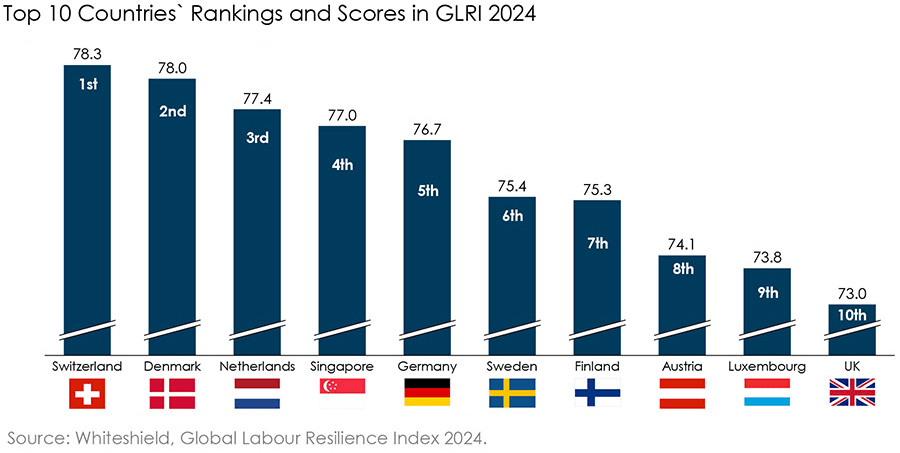
Employers benefit from a healthy, educated, and motivated workforce. Meanwhile, government support ensures that even during downturns, layoffs are buffered by robust unemployment safety nets and retraining programs, keeping both businesses and workers resilient.
Social Democracy and the Nordic Edge
At the heart of Nordic success lies a unique blend of capitalism and social democracy. These countries have embraced market economies while also building expansive social safety nets. Far from stifling innovation, this model de-risks entrepreneurship. When citizens know they won’t lose healthcare, housing, or education if they fail, more people are willing to take the plunge into starting a business.
Sweden’s public agency, Vinnova, recently reported that Swedish startups attracted record-breaking investment, including in high-impact sectors like climate tech. In fact, Sweden was the leading destination for impact investments in 2023, a testament to how social and environmental goals can coexist with strong business outcomes.
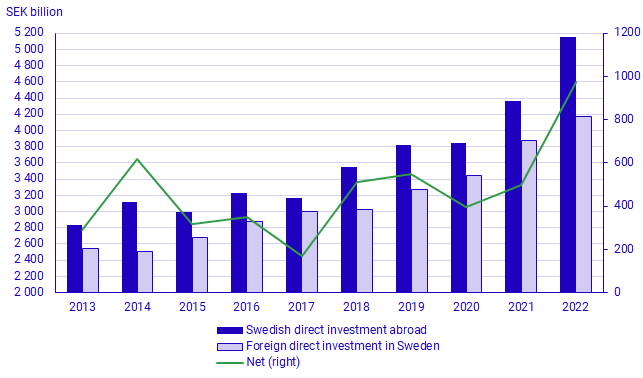
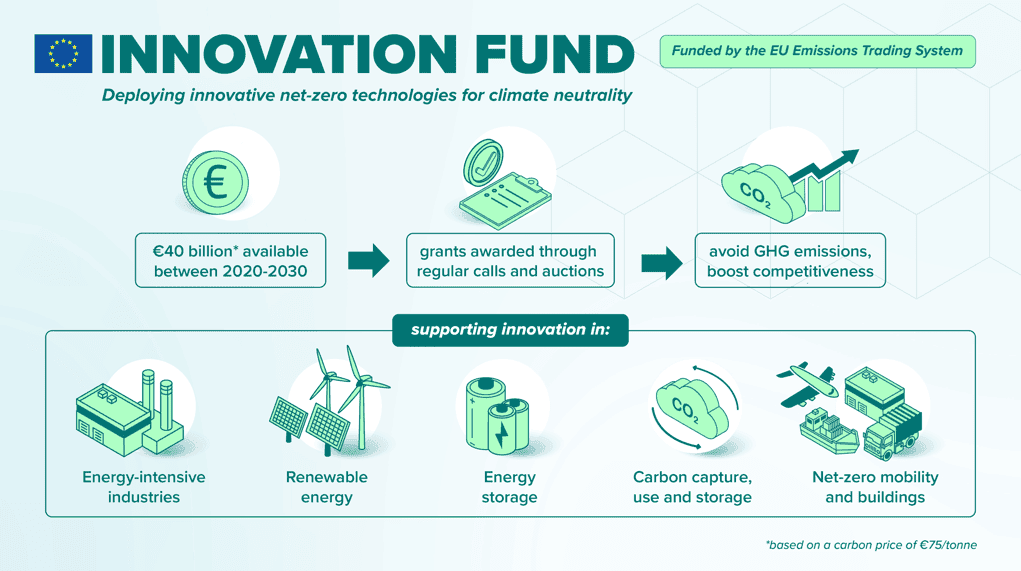
These economies prove that public investment in education, sustainability, and research fosters innovation. Institutions like Finland’s Sitra, Norway’s Innovation Norway, and Denmark’s Innovation Fund are all publicly supported and actively help startups scale globally.
A Direct Rebuttal to Right-Wing Economic Myths
The Nordic nations stand as compelling evidence against the idea that progressive politics hurt the economy. On the contrary, the success of their businesses—especially startups—demonstrates that social investments, high labor standards, and equitable tax systems are not hindrances, but foundations for sustainable economic prosperity.
Far from being “socialist sinkholes” as some critics allege, these countries are thriving examples of how smart, compassionate policy can enable market dynamism, social mobility, and global competitiveness.
If you’re still wondering whether it’s possible to have both economic growth and social justice—just look north.

 Timeless Teachings
Leave a comment