Charted for your Viewing Pleasure
The late Roman Republic is fortunately a very well recorded time of human history. The tales of Pompey Magnus, Gaius Marius, Felix Sulla, and of course, Julius Caesar has inspired legendary playwrights, the imaginations of artists, as well as influenced the very founding of the United States of America. There are a number of themes that both Rome and the United States of America share which transpire through history. As Mark Twain once said, “history does not often repeat itself, but it rhymes”.
Below are the factors that contributed to the fall of the Roman Republic and their relevance today in the United States of America.
| Theme | Late Roman Republic (c. 133–27 BCE) | United States Today |
|---|---|---|
| Political Polarization | Optimates vs. Populares in bitter factional conflict | Democrats vs. Republicans, sharp partisan polarization |
| Erosion of Norms | Traditional offices and customs bent by ambitious leaders | Constitutional norms under stress (court fights, executive power, elections, fomenting distrust) |
| Executive Power | Generals granted extraordinary imperium, Caesar/Sulla seize control | Presidency expanding at Congress’s expense, strongman concerns, Project 2025 |
| Political Violence | Street gangs, assassinations, proscriptions, civil wars | Rising political violence (extremist attacks, Jan. 6), though not at Roman levels |
| Elite vs. Popular Struggle | Elites monopolized wealth; populists promised land/debt relief | Wealthy influence via lobbying/finance; populist backlash against “elites” |
| Wealth Inequality | Latifundia displaced small farmers, wealth concentrated in elites | Widening gap between rich and poor, middle-class stagnation |
| Global Commitments | Vast empire strained Rome’s resources | U.S. global military and economic commitments raise costs |
| Economic Disruption | Slave labor + cheap grain undercut free labor | Automation, outsourcing, immigration reshaping labor markets |
| Debt Crises | Widespread debt among commoners fueled unrest | National debt and personal debt loads (student, medical,credit) spark debate |
| Urbanization | Rural poor migrated to Rome, dependent on grain doles | Urban-rural divide deepens, with reliance on welfare/stimulus programs |
| Outcome | Republic collapsed → Roman Empire | Future uncertain — institutions still hold, but under stress |
When historians look back at the final century of the Roman Republic, they see a society wracked by polarization, inequality, and institutional stress. In many ways, the challenges Rome faced in the first century BCE echo the political and economic tensions of the United States today. While the two societies are separated by thousands of years and hold vast cultural differences, the parallels are striking enough to serve as both warning and lesson.
Politics in Turmoil
Polarization and Factionalism
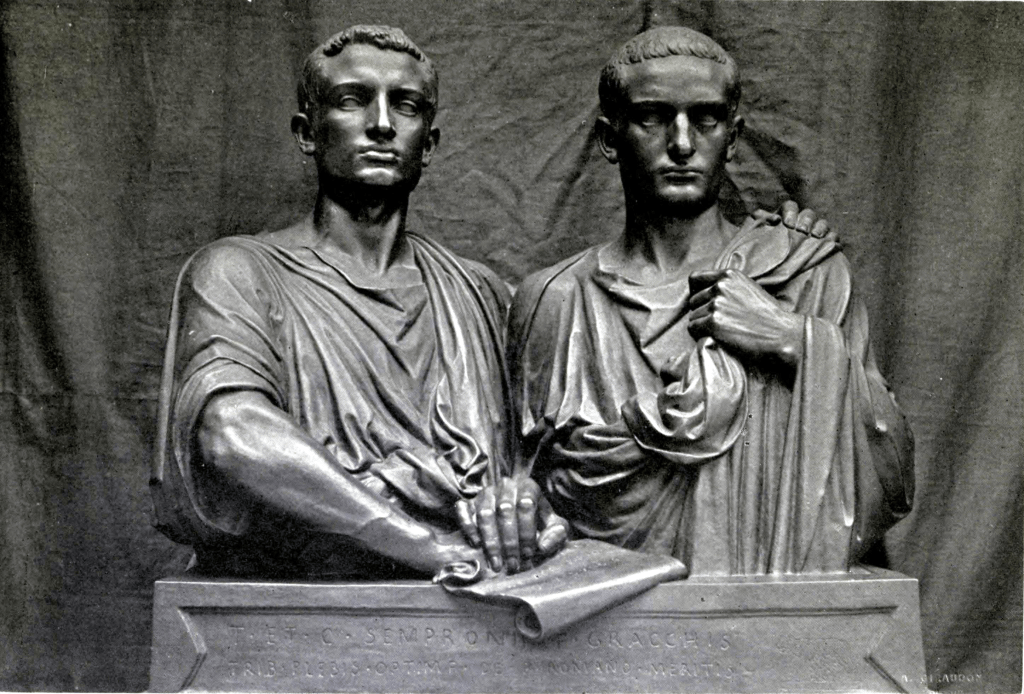
In Rome around the late 2nd century BCE, largely starting with Tiberius and Gaius Gracchus, political life fractured into two competing camps: the Optimates, defenders of aristocratic privilege in the Senate, and the Populares, who sought to win popular support through reforms like land redistribution, grain subsidies, colonization plans, legislative reform to curb senatorial power and debt relief. These divisions were not just ideological but became deeply personal, leading to rivalries that could destabilize the entire state. Tiberius was killed in 133 BCE by a mob of senators and their supporters. Gaius committed suicide or was killed by his servant in 122 BCE to avoid capture from the Senate’s mob.
In modern America, the divide between Democrats and Republicans has hardened in similar fashion, especially due to misinformation on the political right. Once, bipartisan cooperation was common; today, each side often views the other as an existential threat. Legislative gridlock and partisan brinkmanship resemble the Roman Senate’s inability to resolve disputes cooperatively, driving politics toward confrontation or stagnation rather than compromise to address real grand strategical or existential threats to our way of life.
Erosion of Political Norms
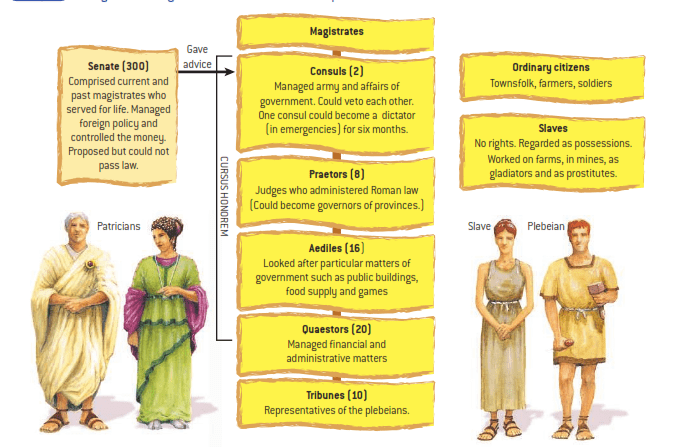
Rome’s Republic relied heavily on unwritten traditions — respect for office, Cursus Honorum, rotation of power, and a balance between Senate authority and popular assemblies. Ambitious leaders like Gaius Marius, Felix Sulla, Pompey Magnus and Julius Caesar gradually chipped away at these norms. They held offices longer than intended, deployed armies in formerly sanctified areas, held extrajudicial killings (proscription lists), secured emergency powers, or outright ignored limits when convenient.
The United States has its own constitutional framework, but even here, norms play a crucial role. Battles over Supreme Court confirmations creating a biased and partisan judicial branch, the growing use of executive orders, the disregard for the Constitution when federal judges strike down said executive orders, the attacks on the Judicial branches legitimacy as an excuse to operate extralegally, and disputes over election legitimacy by the administration and rightwing media, even the Trump elector scheme in 2020, all highlight how fragile these unwritten agreements can be. The current administration, in accordance with Project 2025, seeks to empower the executive and tear down checks and balances, pushing the limits of what reforms they can get away with. Rome showed what happens when the erosion of norms outpaces the ability of institutions to adapt.

Rise of Executive Authority
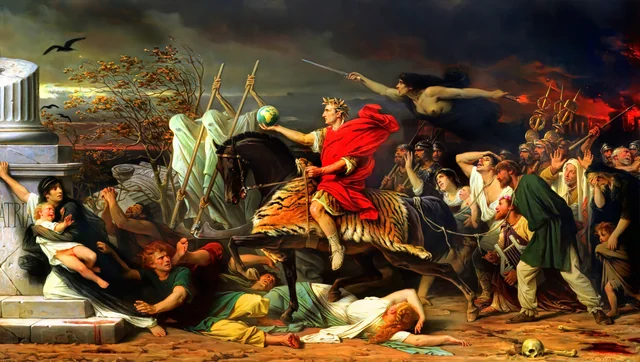
Due to the decentralized organization of Rome’s military, Roman generals increasingly wielded personal loyalty from their legions through the roman values of Dignitas, Gravitas and Auctoritas, as well as being the financiers of the legions themselves. This allowed them to pressure the state with military force. Sulla marched on Rome twice; Caesar famously crossed the Rubicon which ignited civil war and dismantled the Republic’s political order.
In the United States, no modern leader commands a personal army, but the presidency has steadily accumulated power. Wars are waged without formal declarations from Congress (Korean War, Vietnam War, Gulf War, War on Terror), executive orders substitute legislation, and emergency powers are invoked to bypass legislative deadlock. This growing imbalance between executive and legislative authority mirrors the Republic’s drift toward one-man rule. Project 2025’s principle goal is to empower the executive branch. The current administration has dismantled regulatory agencies, federalized law enforcement and unjustly deployed national guardsmen, attempts to intimidate political enemies, declared fake emergencies regarding immigration and trade, and has stacked key cabinet positions with sycophantic loyalists who in many cases lack meaningful credentials.

Violence and Instability
The late Republic was marked by street gangs, assassinations, and purges, especially regarding the feud between Milo and Clodius, the Cataline Conspiracy and the assassination of the Grachii Brothers. Politics spilled into violence, and violence became a tool of politics. The United States has not reached such extremes, but incidents like the January 6th Capitol attack, growing threats against public officials, the federalization of law enforcement, the exorbitant budget provided to the DHS, the actions of ICE, and the rise of extremist groups show how political tensions can spill into the streets if left unchecked.
Economic Pressure
Inequality and Wealth Concentration
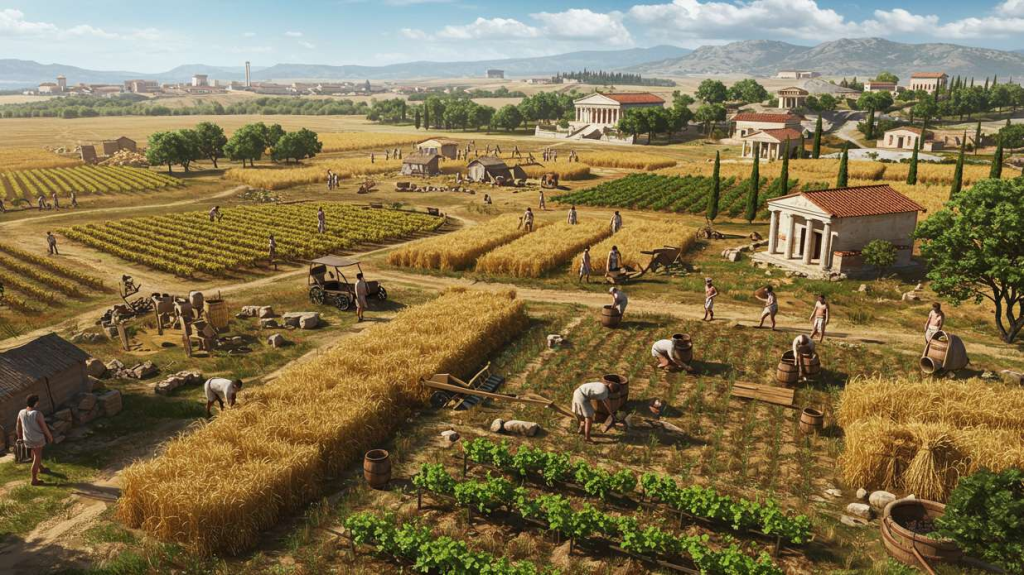
Once Rome had won the 2nd Punic War (218 to 101 BCE), defeated Philip V of Macedonia at Cynoscephalae (197 BCE) and defeated Vercingetorix at Alesia (52 BCE), Rome was the undisputed ruler of the Mediterranean. Between the late 3rd century BCE and up until the fall of the Republic, Rome annexed valuable territory in Asia and Gaul. Rome’s conquests brought unimaginable wealth into Italy, but it was unevenly distributed. Elites bought up farmland and operated massive latifundia worked by slaves, displacing small farmers who had once formed the economic and cultural backbone of the Republic. When Julius Caesar was dictator, he enacted the Lex Lulia Municipalis, which required land owners to employ one freeman for every slave in certain regions in order to address the issue of slavery’s wide impact on the labor market. Many of these dispossessed citizens flocked to Rome, dependent on grain subsidies and vulnerable to populist demagogues. Caesar also cut the grain dole recipient base by nearly 50%, in order to encourage citizens back to work in tandem with his public works projects, land grants and legislation mentioned above.
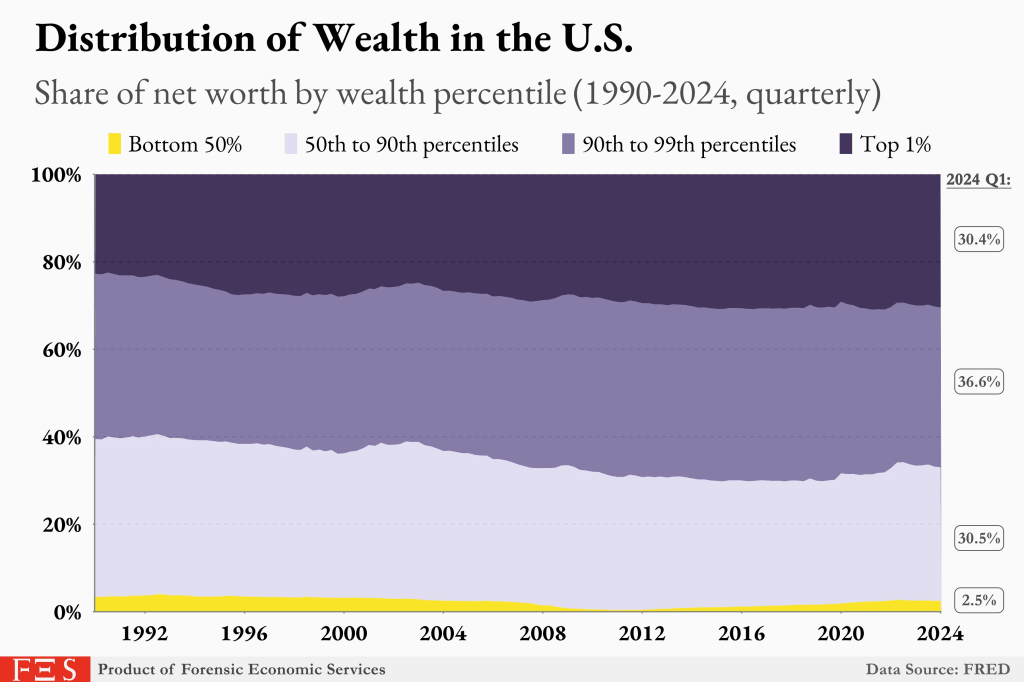
In the United States, wealth has also concentrated at the top. Globalization and automation have hollowed out traditional middle-class jobs, leaving many Americans struggling while corporate profits soar. Historian Kieth Hopkins estimated Rome’s wealthy elites controlled 20% of the income during the Late Republic, while Walter Schiedel from Stanford argues it were higher due to 25%-30% of the population being enslaved at this time.
Today in the United States the top 1% control 30% of wealth, according to Federal Reserve data, with the top 10% controlling 70% of the wealth. Today, our wealth inequality is worse than the Gilded Age. To add context, US News and World Reports said that two in five Americans have no emergency funds. Like Rome’s displaced farmers, workers left behind by these shifts often feel alienated from the political order and receptive to populist appeals.
Economic Disruption
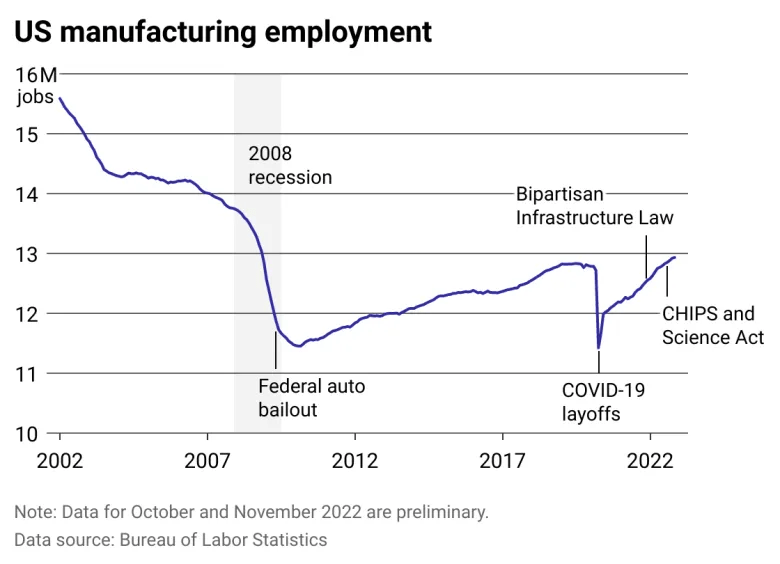
Rome’s economy was transformed by conquest. Slave labor disrupted free labor markets, and cheap grain from the provinces undercut Roman farmers. These economic shocks generated unrest and fueled reform movements led by figures like the Gracchi brothers.
The United States faces parallel disruptions, not from conquest but from technology and global supply chains. Automation replaces workers, outsourcing shifts jobs overseas, rightwing disruption of union membership, and immigration changes local labor dynamics and affects compensation. As mentioned above, the resulting dislocations create fertile ground for resentment and political upheaval.
Debt and Fiscal Strains
Roman history is filled with episodes of debt crises. Indebted farmers and citizens pressed for relief, while creditors resisted, creating repeated flashpoints of unrest. These disputes often fed into broader political conflicts and reforms.
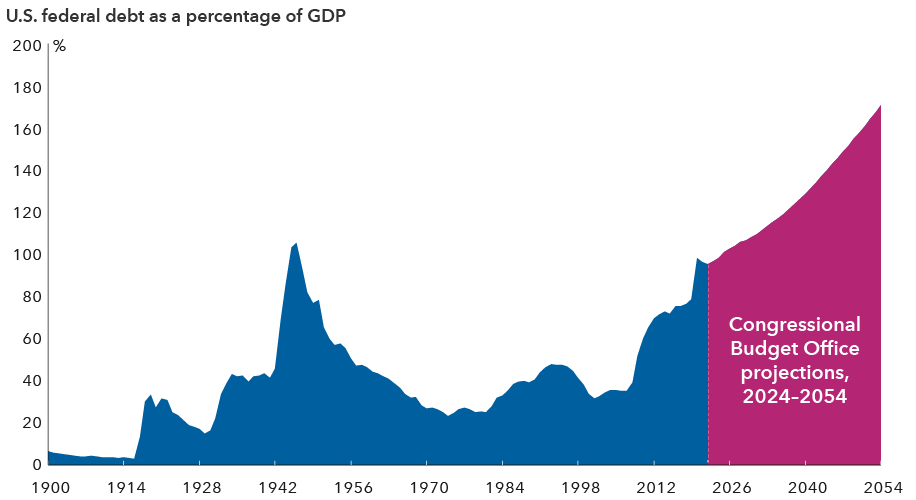
In the U.S., both national and personal debt loom large. The federal government faces rising deficits, we are currently in a deficit of $1.6 trillion and growing with the national debt at $36 trillion, while student loans, medical debt, and housing costs burden millions of average Americans. The debate over how to address these pressures echoes Rome’s recurring struggles over debt and redistribution. Julius Caesar, for example, promised to help forgive and relieve the debts of many common Romans.
Empire and Overstretch
Up until Emperor Hadrian‘s policy of non-expansion, Rome’s vast territorial commitments strained its resources. Defending distant frontiers, administering provinces, and maintaining constant military readiness required immense expense.
The United States likewise carries the weight of global military commitments and financial responsibilities, from NATO to the Pacific. Critics argue this “imperial overstretch” threatens domestic stability, just as Rome’s expansion created vulnerabilities it could not ultimately manage. The United States spends $1 trillion due to an increase in budget in the Big Beautiful Bill, which is more than the next nine top spending nations combined. Where is the point of diminishing returns on such exorbitant military spending?

Key Differences
It is important not to overstate the parallels. The U.S. operates under a written constitution, free elections, and a separation of powers that Rome lacked (besides the Tribune of the Plebeians). Rome relied on unwritten, cultural norms and aristocratic dominance, making its institutions more fragile. The U.S. also faces a world of rival powers, while Rome, at its peak, stood unrivaled in the Mediterranean.
Moreover, Rome’s political collapse culminated in civil war and dictatorship. This was largely due to the violence employed by the Optimates in order to maintain the status quo in the face of mounting domestic issues; and therefore, their status by any means necessary. The United States, despite its tensions, still has durable institutions, robust civil society, and a tradition of democratic resilience; however, we cannot maintain a status quo otherwise it leads to populism and violence, or people rallying around a character who will promise to force change through strength rather than diplomacy.
Lessons From Rome
The late Roman Republic demonstrates how wealth inequality, political polarization, and the erosion of norms can corrode even the most powerful of states. Rome’s failure to adapt its institutions to new realities created a cycle of crisis that ultimately destroyed its republican system.
For the United States, the comparison is not a prophecy of doom but a cautionary tale. A republic cannot survive if citizens lose faith in its institutions, if elites hoard wealth at the expense of the many, or if political factions see one another as enemies rather than opponents. Rome shows that these conditions can transform a republic into an empire, and once that transformation occurs, the republic is gone for good.
The United States today stands at a crossroads not unlike Rome’s in the first century BCE. Its institutions remain strong, but they are under strain. Its economy remains vast, but inequality is widening. Its politics remain vibrant, but they grow more polarized each year. Rome reminds us that republics are not eternal, they endure only if their people and leaders are willing to preserve them.
 Timeless Teachings
Leave a comment